
By merchanservicesonline January 17, 2026
In the world of payment processing, not all businesses are treated the same. Some are considered “high-risk” because they are more likely to face challenges like chargebacks, fraud, or regulatory hurdles. Being labeled high-risk doesn’t mean your business is doing anything wrong—it simply means payment processors see a greater chance of financial or operational issues. Understanding what makes a business high-risk can help you prepare for the unique requirements and safeguards needed to process payments smoothly.
What Causes a Business to Be Classified as High-Risk by Payment Providers
A business is considered to be high-risk for payment processing whenever banks and payment providers think that it carries a higher likelihood of financial loss, disputes, or compliance issues. This has nothing to do with trust or ethics; it is based on the data, patterns, and the overall amount of uncertainty involved in handling transactions.
One of the biggest factors is the industry in which a business operates. There are certain industries that traditionally had higher refunds, chargebacks, or fraud. Given this reputation, the payment processors automatically approach them with caution.
Chargebacks have a very important presence here, too. Excessive disputes could result in penalties from card associations and result in losses for payment processors. Technical and digital service, trial, and product providers have a higher number of chargebacks, which increases the risk.
Thirdly, cross-border sales may also be a cause for even greater concern. Handling payments received from multiple international regions will increase the difficulty of detecting fraudulent payments. Variations in regulation and international banking systems will also increase complexity. When a business also receives payments from regions associated with higher fraud risks, it will readily be classified as a high-risk merchant by the processor.
Next, we have transaction size, which is another important factor. Businesses that regularly process higher-value payments face greater exposure when a dispute occurs. A single chargeback can result in a significant loss, which makes processors more cautious with these accounts.
Let’s not forget that financial history is also relevant. If the credit history is weak or the business has experienced financial problems in the past, it may raise the assumption of instability.
Additionally, certain business models pose a risk of fraud by their mode of transportation. Online business transactions, rapid digital transfer, and services that have no proof of transportation may be more challenging to verify. Legal and regulatory considerations also affect risk levels. Organizations that operate in highly regulated and ever-changing legal settings risk higher compliance problems. Payment processors are concerned that unexpected changes in the rules may cause disruptions in the process or get the organizations into trouble.
New or unestablished businesses are often labeled high-risk simply because they lack a proven track record. Without processing history, it is harder for banks to predict performance, even if the business idea is solid.
Being labeled high risk does not mean the company is operating illegally. This exposure of high risk is merely indicative of how payment processors analyze risk. By adopting the right amount of transparency, effective policies, and the proper structure of the merchant account, high-risk merchants are still capable of smooth operation.
Common Industries Considered High-Risk for Payment Processing

Certain types of industry will always tend to fall into the high-risk category on the basis of the nature of their operation. Firstly, we have adult businesses, which are considered a high-risk type due to age restrictions, adult business-related concerns, and a lack of clarity on payments. Businesses that fall in this category are adult live streaming platforms, adult item retail shops, and physical businesses.
Secondly, we have travel and tourism-related businesses which are also prone to daily risks. Cancelled bookings, delayed arrangements, as well as external factors such as adverse weather conditions, health concerns, or political instabilities, can cause refund disputes. Travel agencies, tour operators, or sellers of air tickets tend to have higher chances of a chargeback.
Next we have the Gaming Technology industry, which includes businesses related to gambling, online casinos, sports betting sites, and lottery services. This area is strictly monitored and is vulnerable to fraud by consumers, mostly with online sports betting sites.
Thirdly, pharmaceutical companies, as well as nutraceutical firms, face intense government pressure. Issues concerning the safety, efficiency, or advertising claims of products can sometimes raise disputes or lawsuits. Web-based pharmacies or supplement vendors usually belong to the risk category. Some e-commerce businesses are considered high-risk, especially those selling expensive or easily resold products. Items like electronics or jewelry attract more fraud and chargebacks, particularly in online-only stores where identity verification is limited.
Next in the list are the industries that deal with smoking and vaping, which have rules that must be followed strictly because of health issues and age verification. These laws and rules are changing rapidly, and it may become hard to abide by them, because these online cigarette, cigar, and vaping businesses are considered high-risk businesses. Telemarketing, as well as telecommunication companies, tend to receive more complaints from customers. Sales over the phone can cause misunderstandings or disputes, which can contribute to higher chances of getting a chargeback.
Financial services such as lending, debt collection, and credit repair are closely regulated and often involve customers under financial stress. This increases the chance of disputes and complaints. Payday lenders and credit repair agencies are common examples. These are only a few of the industries that operate in environments with greater risk, as well as stricter rules and customer disputes, more often. With the right payment processing setup, such businesses can operate smoothly in their sectors and confidently build a better growth strategy.
Pros and Cons of High-Risk Merchant Accounts
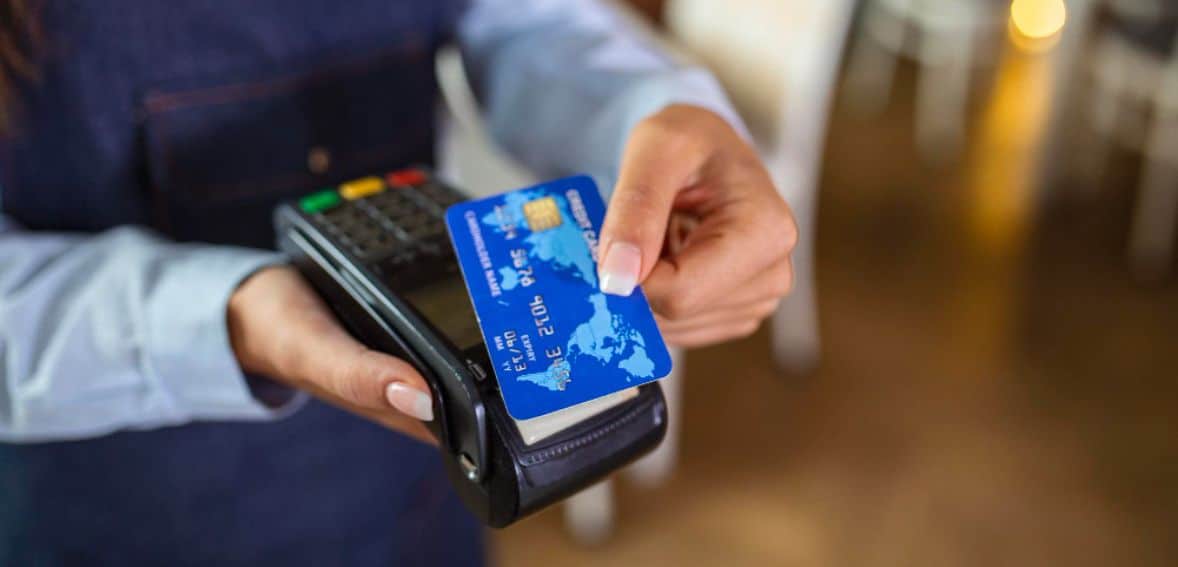
High-risk merchant accounts have both benefits and drawbacks. If your business is in a high-risk industry, a high-risk account may be your only option for card acceptance. However, it’s essential to understand what you gain and what you will face before choosing one.
Firstly, high-risk merchant accounts enable businesses that would otherwise always get declined by a regular processor to accept credit and debit cards, opening the way for more customers and higher sales beyond their reach. Secondly, another benefit is international sales support. Most high-risk accounts are built to handle clients from different countries and in multiple currencies. This easily allows a business to expand without the stress of setting up different payment structures.
Security is also stronger with high-risk accounts. Advanced fraud prevention tools and monitoring systems are mostly available from providers. The extra protection keeps unauthorized transactions to a minimum, along with the fraud attempts and issues with chargebacks that are common in these high-risk industries.
Thirdly, high-risk merchant accounts also offer flexible working when it comes to their volume of sales. Unexpected peaks or seasonal fluctuations in sales will be less likely to cause a merchant account freeze when using a high-risk merchant services account holder. This will be ideal when dealing with month-to-month variation in transactions.
Next, we have chargeback tolerance, which is another significant benefit offered by high-risk merchants. They understand that there are some industries where the possibility of a dispute is more likely to arise. However, they do not just close the accounts; rather, they provide a smooth operating environment for the business.
However, there are some disadvantages as well. Firstly, for high-risk merchants, the fees associated with the accounts tend to be high. This may include start-up fees, monthly fees, and the costs per transaction, which may be higher compared to standard accounts.
Additionally, some of the providers may require a rolling reserve. This means some of the transaction amount gets set aside for a specific period in case of possible chargebacks. Even though this protects the processor, it might restrict the business’s capital flows. The time it takes for a settlement can also be slower. The business bank account may take longer to receive the payment from a card transaction, which can create cash flow problems, particularly for smaller businesses.
Let’s not forget that the conditions of high-risk accounts are generally more rigid. The agreements can be more extensive in nature, with specific consequences if guidelines are not adhered to regarding chargebacks. Finally, the high-risk label itself can affect perception. Some partners or financial institutions may view high-risk businesses with caution, despite the fact that the business may be legitimate with effective management.
How to Qualify for a High-Risk Merchant Account

The process of applying for high-risk merchant services is stricter compared to applying for a standard merchant account. The payment companies scrutinize all the details strictly, so having the necessary information beforehand can be helpful.
To start, it is important to understand why you have been classified as a high-risk business. There could be a few reasons for this, including the type of business you conduct, cases of chargebacks in the past, subscription billing, and financial performance, among others. Secondly, you have to gather all your documentation together. High-risk merchant accounts will require more documentation than your average merchant account provider. Your documentation may be required to include licenses for your business, bank statements, past processing history, financial statements, and a basic business plan.
Thirdly, selecting the right processing organization is also significant. Not all payment organizations can serve high-risk businesses. You need to find companies offering high-risk merchant accounts. These organizations know the risks associated with such transactions and can easily approve your application.
It is also important that you are prepared to demonstrate the profitability and financial stability of your business. Sponsors want to ensure that you can deal with refunds and disputes successfully. Having a regular stream of income and a spotless credit statement can work wonders when it comes to approvals.
Let’s not forget that having a clear chargeback prevention strategy is definitely a positive aspect. Since disputes are considered a significant issue, describe how you handle customer support, refunds, billing clarity, or fraud prevention. This will make the provider understand that you are serious about risk management.
Additionally, honesty is a highly important part of this process. You must share information concerning the business, any past problems, and any financial data you have. Misrepresentation of information could potentially get you rejected on the spot or get your account terminated at a later time.
Issues of compliance and security also need consideration. Adhere to all industry regulations and rules of payment security, such as PCI DSS compliance. It is also crucial to prove that your organization is handling customers’ data and complying with the law.
After your application, your provider will assess your business, perform a risk check, and review your credit profile. Once your application is approved, you will get your account terms. Do not hesitate to read through these terms and see if they suit your business. Getting approved for a high-risk merchant account is about being reliable. Almost every other party involved in the transaction wants to ensure that your organization is stable and ready to engage in responsible payments.
How to Choose the Right High-Risk Merchant Account Provider
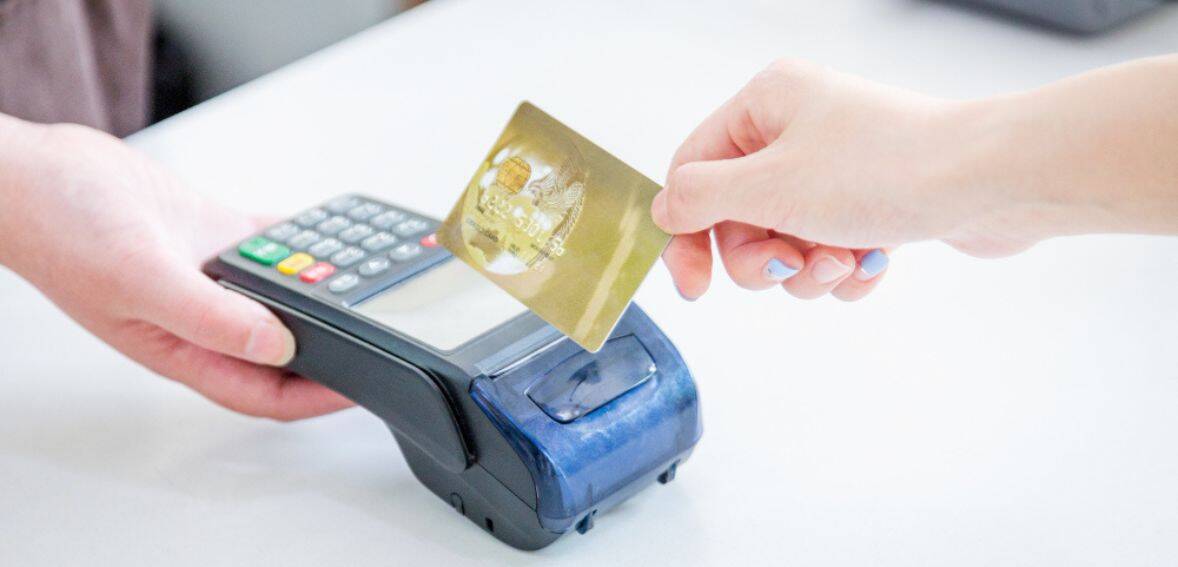
Selecting the right merchant account service for any high-risk business can be an essential decision. Having the appropriate partner can make transactions easier, but the wrong partner can cause difficulties in your business by generating higher fees, slowing transactions, or encountering account problems out of nowhere. Begin by searching for providers who understand the industry you operate within. A company that currently deals with companies like yours can identify the problems associated with such an industry.
Secondly, never forget about the fees that go along with it. Yes, there will be higher fees for high-risk accounts, but make sure that you know what you’re getting into before signing anything. Set-up fees, monthly fees, transaction fees, reserves, and other charges that might pop up, make sure you know what you’re paying for before committing to the contract.
Terms of a contract are of far greater importance than most small businesses realize. Some suppliers bind merchants with extended terms with excessively higher fees for the termination of the contract early. Your goal is to discover a supplier that is flexible with contract terms and can modify the terms as the businesses evolve.
Reputation is another thing to consider. Seek out honest reviews, real testimonials, and feedback from businesses in the same industry. A service that really has a good record will not likely give users problems in the end.
One area that must not be overlooked is security. As high-risk merchants have a higher chance of fraud and disputes, your payment provider must have good fraud protection functions and notification systems in place to safeguard your earnings. Support services can be a make-or-break for a partnership. Choose a service provider who has easy access and quick response times. Being able to access support through phone, email, or chat can be a lifesaver when problems arise.
Also, make sure the payment gateway functions properly with the website or sales platform you have. Failure can result in failed transactions, lost sales, and unhappy customers. If your e-commerce business spans globally, ensure that the provider you choose is capable of handling different currencies as well as international payment rules. International experience in handling payments is necessary.
Risk management tools are particularly helpful for high-risk industries. When selecting a provider, look for companies that offer chargeback tracking services, fraud protection, and advice on minimizing disputes. Before putting your signature on it, it’s always a good idea to carefully read the complete contract. Take a look at every fee associated with it, as well as its term of completion, termination options, and every other detail that might play a role in your business.
How High-Risk Businesses Can Lower Payment Processing Costs

As it’s a high-risk merchant account, some fees, such as chargeback fees, come with the deal. That’s why it’s essential for you to select a payment processor that knows how to take care of high-risk merchants. They understand your type of business and are more likely to agree with you when it comes to pricing.
Firstly, educate yourself on how the credit card processing rates for your business are calculated. Most companies categorize high-risk merchants into tiered pricing structures, which often wind up being costly. You need to go ahead and request a breakdown from your company on all possible rates available and try to negotiate interchange-plus rates.
Next, pay attention to the conditions of the contract. There are long contracts with hefty termination charges that can bind you to an unsatisfactory service provider. Even if your service provider does not have month-to-month options, you should still try to negotiate the length of the contract and its conditions of renewal.
Looking ahead is also very important. With high-risk processing, there are many delays, as well as reserve and charge-backs. It is best to ensure your business does not depend on immediate funding from credit cards to survive. Creating your own internal reserve can help. Set aside a portion of revenue to cover chargebacks or held funds. This gives you more control over cash flow and reduces stress if the processor holds a percentage of your earnings.
Reducing costs as a high-risk merchant means awareness, preparation, and negotiating. By understanding the process and how to prepare for it, you can safeguard against costs and have your business run as smoothly as possible.
Conclusion
Being classified as a high-risk business does not limit your growth or credibility. It simply means that payment processors need to take extra measures of precaution against disputed charges, fraud, and regulatory issues. By being aware of the conditions that make a business fall into the high-risk category and trying to control these factors by maintaining clear records of transactions, using secure ways of receiving payments, and partnering with specialized providers, your business will be able to confidently accept payments, run its operations smoothly, and keep on growing despite the added challenges.
FAQs
What is a high-risk business?
A high-risk business poses the possibility of chargebacks, fraud, or getting into legal trouble with payment processing.
Why are some industries high-risk?
They have high dispute volume, strict laws, and high fraud counts, such as gaming, adult, and travel-related services, which qualify as high-risk merchant types.
Do high-risk businesses qualify for merchant accounts?
Yes, specialized suppliers also offer high-risk merchant accounts to facilitate these companies in processing credit and debit card payments.
Are high-risk accounts more expensive?
Yes, they may come with high prices, including fees, rolling reserves, and stricter terms that help mitigate any risks and chargebacks.
How can high-risk industries minimize the processing cost?
Maintaining fraud prevention, monitoring transactions, keeping proper records, communicating with customers, and selecting a high-risk processor.