
By merchanservicesonline December 8, 2025
It is essential for merchants to understand how an acquirer, payment processor, and PSP work. Each of them plays a different role in approving, settling, and securing transactions. Understanding their operation responsibilities will ultimately allow businesses to choose the right setup, reduce risks, improve customer experience, and develop a system that will allow payment operations to run smoothly for years to come.
How the Payment Service Provider Works
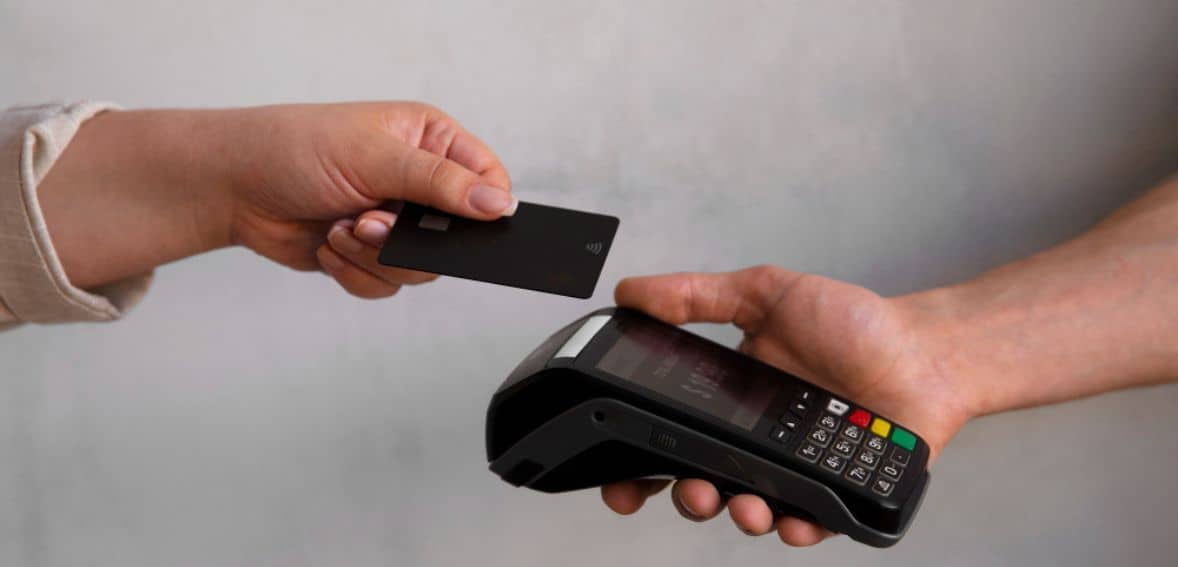
A Payment Service Provider (PSP) is a comprehensive solution that enables every kind of business to effortlessly accept and manage payments. In contrast to a payment gateway that primarily focuses on authorizing the payment, a PSP brings multiple functions, including payment processing, fraud protection, reporting, and merchant account management within a single system. Upon the customer’s request for a payment, it securely collects his or her details, processes the transaction, and deals with the transfer of money from the customer’s bank into the merchant’s account.
Benefits of Working with a Payment Service Provider
Working with a Payment Service Provider (PSP) gives merchants a fully connected and easy way to handle all types of payments. Firstly, one of the biggest benefits is convenience. A PSP brings secure payment gateway services, processing, security tools, and reporting into one system, so you don’t have to manage multiple vendors. PSPs also offer strong protection through fraud checks, encryption, and risk monitoring, which keeps both your business and customers safe.
Secondly another advantage is support for many payment methods, including cards, bank transfers, digital wallets, and Open Banking options, helping you serve more customers without extra setup. PSPs also make integration smooth by working well with websites, apps, and in-store systems for creating a consistent checkout experience everywhere.
Thirdly, most PSPs provide helpful tools like real-time analytics, easy reporting, and subscription billing, which make daily operations easier for merchants. As part of their operational responsibility, PSPs also ensure your transactions meet industry rules, stay secure, and run steadily in the background. Overall, a PSP simplifies payment management, reduces workload, and helps businesses grow without worrying about technical complexities.
How Payment Processors Work
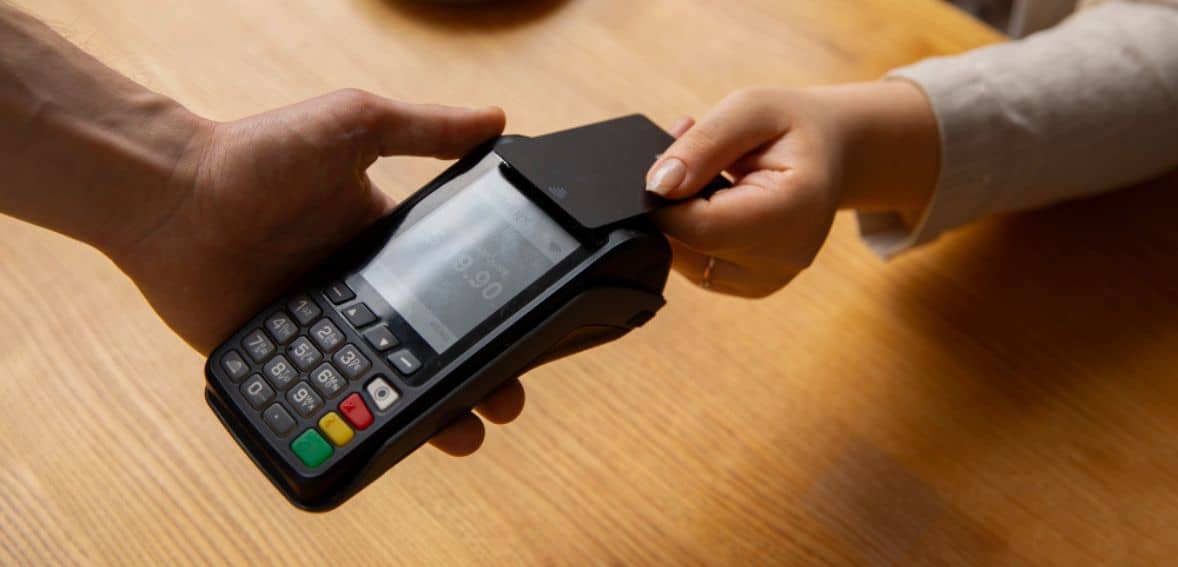
The term ‘payment processor’ usually describes a company or service that assists businesses in collecting electronic payments from customers via credit card, debit card, or digital wallet. Their principal task is to verify the transaction, validate the availability of funds, and securely transfer money from the customer’s account to the business’s bank account.
It captures the customer’s information when making a purchase and sends that to the respective financial institutions for approval. It communicates with the card network, such as Visa or Mastercard, or the customer’s bank to verify the payment for fraud. It securely sends the funds to the merchant’s account after the payment has been approved.
It also allows all businesses to act in compliance with regulations, including PCI DSS, to help protect sensitive data from being compromised and reduce fraud cases. In this regard, it lets the merchants keep their eyes off the headache of managing a secure and efficient transaction by handling everything on their own.
Benefits of Working with a Payment Processors
Working with a reliable payment processor gives merchants clear advantages that can improve daily operations and boost revenue. Firstly a good processor helps you complete more sales by making every transaction smooth and secure, which means fewer failed payments and happier customers. It also protects your business from fraud by checking each transaction with strong verification and compliance tools, so you don’t have to manage these risks on your own.
Secondly, fast processing is another major benefit, allowing you to close sales quickly and keep customers satisfied without delays. With the right processor, you can also accept payments from around the world, opening your business to new markets without extra complexity.
Thirdly at the same time, merchants have operational responsibilities, such as keeping their systems updated, following compliance rules, and ensuring their checkout process works well with the processor’s technology. When both sides work together, the payment flow stays smooth, secure, and efficient for every customer.
How Merchant Acquirers Work

A merchant acquirer, often called an acquiring bank, is a financial institution that helps a business process its credit and debit card payments. It serves as the intermediary between the business, payment processors, and the customer’s bank to ensure that transactions are properly authorized, processed, and settled securely.
The acquirer sets up and maintains merchant accounts, which allow businesses to receive card payments. The acquiring bank is also in charge of the authorization and settlement process with the customer’s issuing bank and absorbs many risks related to chargebacks, fraud, and disputes.
This request is sent to the bank that originally issued the customer their card by the acquirers. Once approved, the acquirer will complete the transaction by transferring the funds, generally within a few days, into your business’s bank account.
Benefits of Working with a Merchant Acquirer
Working with a merchant acquirer gives your business several important advantages that help you run payments smoothly and safely. Firstly, one of the biggest benefits is better security. Acquirers use strong protection tools and fraud-prevention systems to keep your business safe from risky or suspicious transactions, so you don’t have to manage everything on your own.
Secondly they also make it easy for you to offer more payment choices, such as credit cards, debit cards, digital wallets, and even contactless options. This flexibility helps you serve more customers and improve your chances of making a sale. Thirdly another major benefit is support with chargebacks. When a customer disputes a payment, the acquirer can guide you through the process and provide tools to reduce chargebacks in the first place, which protects your revenue and keeps your operations stable.
As your business grows, a good acquirer can scale with you, offering solutions that match your increasing number of transactions and expanding needs. Overall, a strong acquirer helps you stay secure, flexible, and ready for growth while giving your customers a smooth payment experience.
Payment Processors Vs. Acquirers Vs. Payment Service Providers

Each one of them, payment processors, acquirers, and PSPs- plays different roles in their operations to help businesses accept electronic payments. Knowing the difference will make it much more easier to navigate through the payment process.
Role in transaction:
- Payment Processor : It can be defined as an element that authorizes the transaction and processes it. It will validate details of the payment, check funds availability, and securely shift funds from the customer’s account to that of the merchant.
- Acquirer: Also known as a merchant acquirer, it operates the merchant account, interfaces directly with issuing banks in authorizing and settling transactions, while taking risks such as chargebacks or fraud.
- PSP: A PSP combines the role of a payment processor and an acquirer in the very same platform. It processes transactions, handles merchants’ accounts, fraud detection, reporting, and also multi-payment options.
Relationship with the Business:
- Payment processor: This acts as a service provider for businesses. In most cases, business interaction is via a PSP, which may include the processor.
- Acquirer: Directly related to the business through underwriting the merchant account and handling a portion of the risk.
- PSP: Provides the merchant with a single-point, direct web interface for processing payments, accounting management, and tracking and reporting, without the need for separate agreements with processors or acquirers.
Relationship with card networks and issuing banks:
- Payment Processor: Provides communication with card networks and/or issuing banks for the authorization of payments; usually working with various acquirers.
- Acquirer: A member of card schemes having a contract with the merchant for processing authorization and settlement.
- PSP: It acts as a bridge for the business, the acquirer, and the payment processor by smoothing the flow of funds, while interactions with card networks and banks are dealt with upfront.
By understanding the distinct functions of each, merchants can choose the right combination of services to streamline payments and reduce risks, thereby improving operational efficiency.
How Do Payment Processors and Acquirers Work Together?
The work of payment processors and acquirers includes ensuring that card payments are fast, secure, and smooth. When a customer pays with a credit or debit card, it is first captured by the payment gateway and then transmitted to the payment processor. The processor thereafter passes this information to the acquirer, who sends it to the card network. That network, in turn, contacts the issuing bank to verify the card details and check available funds.
Once the bank approves or declines the payment, the response travels back through the network, acquirer, and processor to the business. If approved, the issuing bank transfers the funds to the acquirer, who deposits the money into the merchant’s account, while the processor ensures all transaction records are kept up to date.
Choosing Between a Traditional Acquiring Bank and a Payment Service Provider
When setting up card payments for your business, you need to decide between a traditional acquiring bank or a PSP. Under a traditional bank setup, you are granted a merchant account, and then you can use a different PSP for processing your payments. Some do it this way because that gives them access to certain rates or inherited setups; over time, adding multiple PSPs can make the system complicated and less efficient.
Another easier route is to select a provider for both acquiring and processing. Such providers manage the entire flow of payments, giving you transparency into the metrics of every transaction to ensure smoother operations.
How to Choose the Right Payment Partner for Your Business

Choosing the right payment partner is one of the most important decisions for any merchant, because it affects everything from transaction approval rates to customer experience and long-term revenue. To make the right choice, firstly start by looking at your business model, transaction volume, customer base, and future growth plans. If your goal is simple onboarding, minimal technical work, and quick access to multiple payment methods, a PSP is usually the best fit because it bundles acquiring, processing, fraud tools, and reporting into one platform.
But if your business handles high volumes, operates in multiple regions, or needs direct control over settlement and compliance, a traditional acquirer or a processor and acquirer combination will give you deeper visibility and stronger control.
Secondly, always check whether the provider supports all the card schemes your customers use, whether they offer smart routing that improves approval rates, and whether they can scale with your future plans, such as international expansion or subscription billing. Pricing is another crucial factor, so compare not just headline fees but also hidden costs like chargeback fees, cross-border charges, and refund fees.
Finally, choose a partner with strong support, transparent reporting, and proven reliability, because payments are critical and any downtime directly affects your revenue.
Conclusion
The choice between the acquirer, processor, or PSP should depend on your business needs, the volume of your payments, and your long-term growth plans. Once you understand how each of the partners supports authorization, settlement, security, and daily operations, it’s much easier to build a fast, safe, and scalable payment system. A correct partnership will reduce risks, improve customer trust, and help your business handle payments confidently.
FAQs
What is the main difference between an acquirer, a processor, and a PSP?
The acquirer provides the merchant account, the processor handles transaction flow, while a PSP offers an all-in-one payment solution. Each supports different parts of the payment journey.
Do I need all three to accept payments?
Not always. With so many modern PSPs bundling processing together with acquiring, merchants can have everything from one provider.
Which is most suitable for small businesses?
The reasons small businesses like PSPs are that they are easy to set up and require less paperwork, offering a number of payment tools within one system.
How does my choice affect transaction costs?
Each one of them has a different pricing model. Comparing the fees for processing, chargebacks, and international payments will help you choose the most cost-effective option.
What do I look for when choosing a payment partner?
Look at security, supported payment methods, global capabilities, and how well the partner fits your long-term business goals and daily operations.